Valentine Digital Backgrounds: Enhancing Your Creative Projects
In the world of digital design, the right background does more than fill space; it sets the entire mood. For creators, marketers, and small business owners, especially around the February rush, finding high-quality, versatile assets is a constant need. This is where a resource like Valentine Digital Backgrounds comes into play. It’s not just a seasonal decoration; it’s a foundational design asset that can elevate your work across multiple platforms and projects.
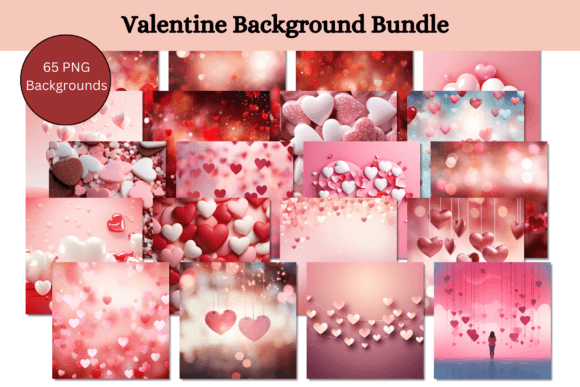
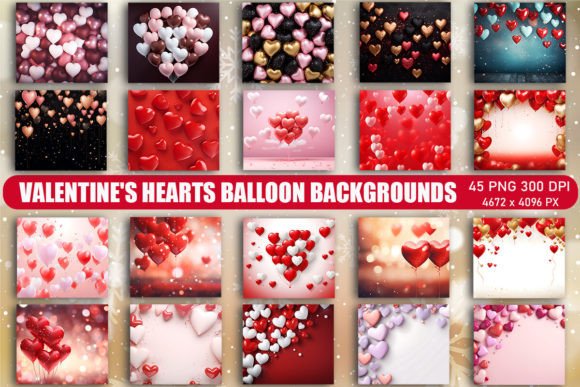
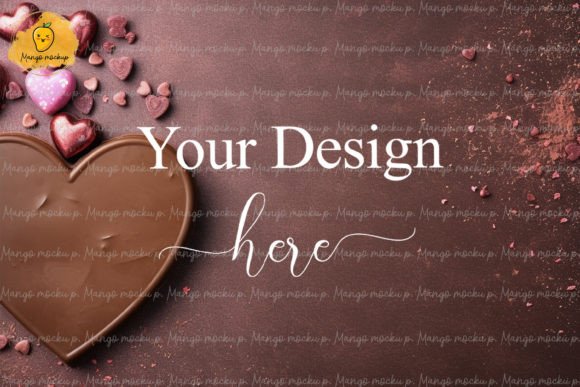
So, what exactly are you getting? You receive a single, high-resolution JPG file. The specifications are key: 3750x3000 pixels at 300 DPI. This means the image is built for serious print and digital work. The high resolution ensures your designs stay crisp and professional, whether you’re scaling it down for an Instagram post or using it as the backdrop for a printed brochure or product packaging. It’s an illustration—a carefully rendered piece of art—which gives it a distinct, polished feel that often works better than a busy photograph for text overlays and brand messaging.
Practical Applications for Your Business and Creative Work
The true value of a digital asset lies in its versatility. Let’s break down where Valentine Digital Backgrounds can genuinely make a difference. For graphic designers and brand strategists, this background can serve as the cornerstone of a seasonal campaign. Use it as the base for a social media graphic series, creating visual consistency across posts. The consistent background ties your content together, making your feed look cohesive and intentional.
For entrepreneurs and small business owners, this asset is a time-saver with a professional payoff. Imagine crafting your Valentine’s Day email newsletter. Instead of a plain white or grey background, using this themed, high-quality illustration immediately captures attention and conveys a specific, festive mood. It works equally well for website banners, sale announcements, or even as a textured background for product photography, especially for items like jewelry, cosmetics, or baked goods. The illustration style avoids the cliché of stock photos, offering something more unique and brand-aligned.
Content creators, bloggers, and publishers will find it invaluable for enhancing visual storytelling. A blog post about gift ideas, relationship advice, or even a recipe for a romantic dinner becomes more engaging with a custom-designed background image. It moves your content from generic to memorable. For crafters and hobbyists, the applications are just as broad—from designing custom stationery and party invitations to creating unique digital prints for an Etsy shop. The high DPI ensures your handmade designs look sharp when printed.
Making It Work: Design Principles in Action
Integrating a strong background like this requires a bit of design thinking. The goal is to use it to support your message, not overwhelm it. This is where principles of visual hierarchy and readability come in. The background should enhance, not compete with, your primary content—whether that’s a headline, a product image, or a call-to-action button.
When working with a pre-rendered background, contrast is your best friend. If the background has light areas, place your dark text or logos there. If it’s darker, opt for white or light-colored typography. This isn’t just about aesthetics; it’s about accessibility and ensuring your audience can easily read your message. Consider adding a subtle semi-transparent overlay or a solid shape behind your text to guarantee readability, especially if the background has complex details.
Think about brand consistency. If your brand uses specific colors, see how they interact with the tones in the Valentine Digital Backgrounds illustration. You might use color picking tools to match your brand’s hex codes to accents within the image, creating a seamless integration. This attention to detail is what separates amateur designs from professional brand identity work.
Choosing and Using Your Asset Wisely
Before downloading, evaluate if this particular style fits your project’s personality. The description notes it’s an illustration, not a photo. This style often feels more modern, clean, and artistic. It’s ideal for brands that want to convey creativity, warmth, and a handcrafted feel. If your project requires a gritty, realistic, or photojournalistic vibe, this might not be the right match. Always preview the asset in the context of your other design elements if possible.
Once downloaded, the usage terms are straightforward and generous for creators. You are licensed to use the image for both personal and professional projects to promote your business. This covers a vast range of applications: marketing materials, client projects (if you’re a designer), social media content, and products for sale. The key restrictions are standard and important: do not resell the raw file itself, share it with others, or redistribute it as a standalone asset. You’re buying a license to use it in your work, not to become a reseller of the background file.
A practical tip: create a few test compositions. Place your logo, a headline, and a sample product image on the background. See how they interact. Does the background support the focal point? Does it enhance the overall mood you’re aiming for? This quick testing phase can save you hours of revision later. Pair it with simple, clean sans-serif fonts for a modern look, or with elegant serif fonts for a more classic, romantic feel. The background’s versatility makes it a strong foundation for various typographic pairings.
Ultimately, Valentine Digital Backgrounds is more than a seasonal placeholder. It’s a professional-grade design asset that, when used thoughtfully, can add depth, personality, and a polished aesthetic to your marketing, branding, and creative projects. It’s about having a reliable, high-quality tool in your creative toolkit that helps you communicate more effectively and beautifully with your audience.