Gold and Pink Wood Backgrounds: A Designer's Asset
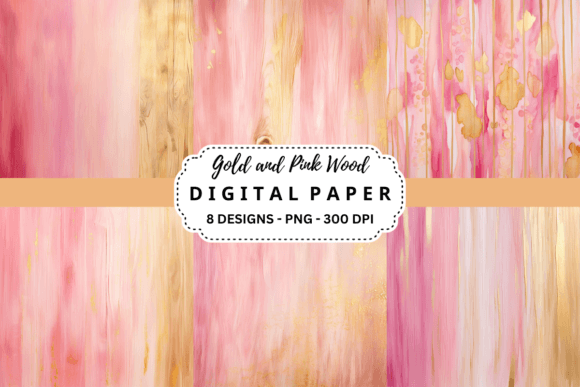
When you're building a visual project, the foundation matters. It sets the tone before a single word is read or a logo is fully processed. That's the power of a well-chosen background. The Gold and Pink Wood Backgrounds collection is a set of eight high-resolution PNG files designed to provide that essential, sophisticated foundation. Each image is a 3600 x 3600 pixel file at 300 DPI, making them ready for serious print and digital work. Think of them not as simple textures, but as versatile design assets that can elevate a project's professionalism and aesthetic appeal.
The Visual Character: Warmth Meets Modern Elegance
At its core, this collection blends two powerful visual languages. The "wood" element introduces organic warmth, texture, and a sense of authenticity. It grounds a design, preventing it from feeling too sterile or generic. The "gold" and "pink" are where the modern, luxurious twist comes in. The gold isn't a loud, flashy yellow; it's a muted, brushed metallic tone that suggests quality and refinement. The pink is often a soft blush or a dusty rose, adding a layer of contemporary femininity and approachability without being overly saccharine. Together, they create a background that feels both timeless and on-trend—perfect for brands that want to communicate elegance, warmth, and a touch of creative personality. The texture of the wood grain ensures that even flat areas have visual interest, which can help in creating depth and preventing designs from looking cheap or overly digital.
Strategic Applications Across Your Projects
The true value of these backgrounds is in their application. They are not a one-trick pony. Their high resolution and versatile color palette make them suitable for a wide range of projects, directly impacting brand perception and audience engagement.
- Social Media & Digital Marketing: Use them as a base for Instagram story templates, Facebook post backgrounds, or website hero images. The gold and pink tones are highly engaging in feeds dominated by cool blues and stark whites. They make text pop and create a cohesive, branded look that increases recognition. A social media graphics kit built on these backgrounds feels premium and intentional.
- Branding & Logo Design: While not a typeface itself, a background like this is crucial for brand identity. It can be used in mood boards, as a texture behind a logo lockup, or as the consistent background for all brand collateral—from business cards to presentation slides. This consistency is key to building a professional and recognizable brand identity.
- Publishing & Editorial Design: For bloggers, authors, or magazine publishers, these backgrounds are gold (pun intended). They work beautifully for chapter title pages, pull quotes, or as a subtle texture behind body text in a digital PDF. The organic feel makes long-form reading more pleasant than a stark white background.
- Packaging & Print on Demand: This is where the 300 DPI quality shines. Imagine these backgrounds on a product label, a notebook cover, or as the design for a luxury candle box. They provide an instant premium feel that can justify a higher price point and attract a discerning customer. For wrapping paper or printing labels, the seamless, high-resolution pattern is essential.
- Invitations & Personal Projects: For weddings, baby showers, or milestone birthdays, the soft pink and gold evoke celebration and sophistication. Use them for digital invitations, scrapbooking layouts, or even as a unique background for a phone lock screen.
Making It Work: Practical Guidance for Designers
Having the asset is one part; using it effectively is another. Here’s how to integrate these backgrounds into your workflow with purpose.
Evaluating Fit: First, consider your project's core message. Does it call for warmth, luxury, femininity, or organic appeal? If your brand is minimalist and tech-focused, this might be too decorative. If it's a lifestyle brand, a boutique, or a creative service, it could be a perfect match. The style should align with the personality you want to project.
Testing with Font Pairings: The background will interact with your typography. For body text, pair it with a clean, highly readable sans serif font in a dark color like charcoal or deep brown to ensure contrast and readability. For headlines, you could use a complementary serif font or even a script font to enhance the elegant feel. Always test your text on the actual background image at the size it will be viewed. The wood grain texture, while beautiful, can sometimes compete with overly intricate handwritten fonts.
Leveraging the Assets: Don't just use the backgrounds as-is. As a designer, you can crop into them, use them as a blend mode with other colors, or overlay them with semi-transparent shapes to create unique variations. The PNG format with its transparent areas (if any) allows for easy layering in design software like Photoshop or Canva.
Understanding the License: For any commercial project—whether it's a client's logo, a product for sale, or marketing materials—you must ensure you have the correct commercial font and asset license. This collection is marketed for commercial use, which is a significant advantage for entrepreneurs and small business owners. Always double-check the specific terms to understand what is permitted, especially for print-on-demand or large-scale distribution.
In the end, the Gold and Pink Wood Backgrounds are more than just pretty pictures. They are a strategic tool. Used thoughtfully, they can help establish a visual hierarchy, reinforce brand personality, and create a cohesive professional look that engages your audience on a subconscious level. They provide that polished, finished feel that separates amateur projects from professional ones, making them a worthwhile consideration for your next creative endeavor.