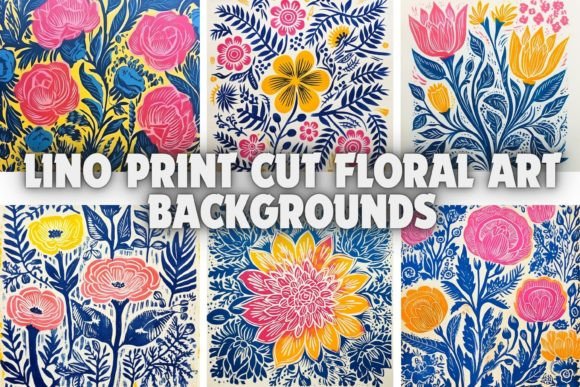
Lino Print Cut Floral Art Backgrounds: A Guide to Digital Handmade Charm
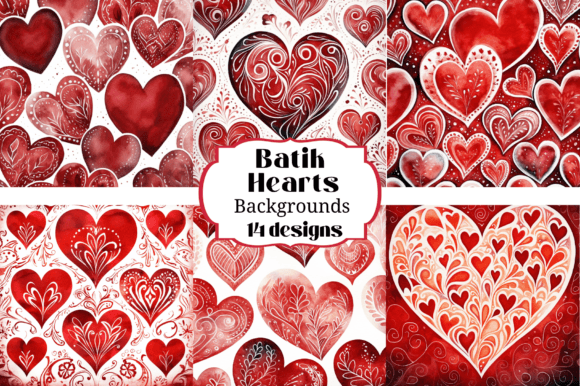
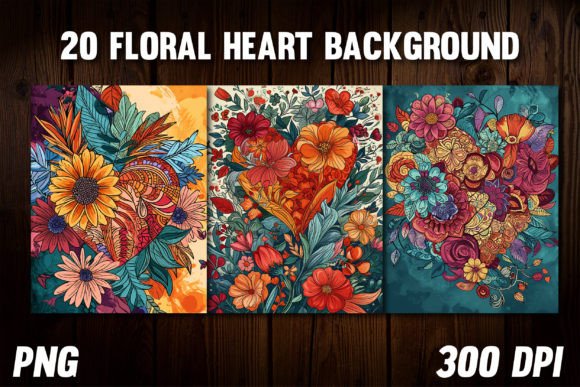
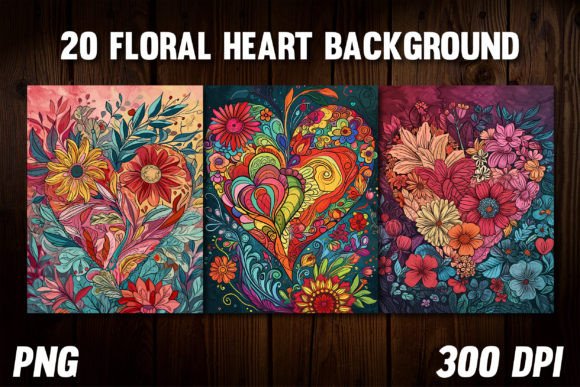
In a digital world saturated with sleek gradients and sterile vectors, there's a growing hunger for texture, warmth, and the unmistakable touch of the human hand. This is where Lino Print Cut Floral Art Backgrounds step in, offering a powerful antidote to digital fatigue. They are more than just images; they are digital artifacts of a tactile craft. Each background captures the essence of a lino-cut print—the deep, velvety ink, the slight imperfections of the carved line, the bold interplay of positive and negative space. For designers, marketers, and creators, these assets provide a shortcut to infusing projects with authenticity, story, and a rich, organic aesthetic that feels both timeless and contemporary.
Understanding the Visual Language of Lino Print
Before diving into application, it's crucial to understand what makes this style so compelling. Lino print, or linocut, is a relief printing technique. An artist carves an image into a linoleum block, inks the surface, and presses it onto paper or fabric. The result is characterized by bold, graphic shapes, deliberate line work, and a textural quality that digital filters struggle to replicate authentically. The floral motifs in these backgrounds aren't just illustrations; they are studies in contrast and form. You'll see how a single carved line defines a petal, how a block of uncut lino becomes a leaf, and how the negative space around a stem is as important as the stem itself. This inherent graphic strength makes the art incredibly versatile. It can read as modern and minimalist or as vintage and artisanal, depending on the composition and color palette. The personality is one of handmade elegance, craftsmanship, and organic rhythm.
Strategic Applications: Where These Backgrounds Shine
The true value of a design asset lies in its utility. These backgrounds are not mere decoration; they are functional tools for visual communication. Their application spans a wide range of projects, each benefiting from the unique qualities of the medium.
For Brand Identity and Marketing
A brand seeking to communicate authenticity, sustainability, or artisanal quality will find a powerful ally in lino print aesthetics. Use these backgrounds for:
- Social Media Graphics: Create scroll-stopping posts for Instagram, Pinterest, or Facebook. The texture and depth make quotes, announcements, and product features stand out in a flat feed.
- Website Hero Sections & Blog Headers: Set a distinctive tone for an online presence. A floral lino background can frame a headline beautifully, adding depth without overwhelming the content.
- Presentation Decks: Elevate a corporate or creative presentation from bland to memorable. Use a subtle, muted version as a slide master or a bold one for title slides.
- Digital Advertising: Capture attention with ads that feel crafted rather than generated. The visual interest can improve engagement rates.
For Creative and Editorial Projects
Designers and publishers can leverage these assets to enhance narrative and visual hierarchy.
- Editorial Design: Use as a backdrop for magazine feature openers, book chapter pages, or online article headers. They pair exceptionally well with serif fonts for a classic feel or clean sans serif fonts for modern contrast.
- Packaging Design: For products like artisanal foods, botanicals, stationery, or cosmetics, a lino print background on labels or boxes instantly communicates a story of handcraft and natural ingredients.
- Invitation and Stationery Design: Wedding invitations, event programs, and greeting cards gain a layer of tactile sophistication and personal touch.
For Personal and Professional Use
Beyond client work, these backgrounds serve practical purposes.
- Desktop & Device Wallpapers: Transform your digital workspace into a source of daily inspiration and calm.
- Virtual Meeting Backdrops: A curated, artistic background for Zoom or Teams calls adds professionalism and personality, subtly communicating your creative sensibility.
- Digital Scrapbooking & Hobby Projects: Crafters and hobbyists can incorporate them into digital planners, mood boards, or personal art projects.
Making It Work: Practical Guidance for Selection and Use
Integrating a stylistic element like a lino print background requires thoughtful execution to maintain professionalism and clarity. Here’s how to approach it.
Evaluate Your Project's Fit
Ask: Does the brand or project have a story of craft, nature, or heritage? Is the goal to stand out with a textural, artistic flair? If the answer is yes, it's a strong candidate. For a tech startup aiming for ultra-modern, minimalism, a bold lino print might clash. However, a subtle, monochromatic version could work as an unexpected accent.
Mastering Typography Pairings
The background is the stage; your typography is the actor. The right pairing is critical for readability and visual hierarchy.
- With Serif Fonts: A classic combination. A premium serif typeface like Garamond or Playfair Display echoes the traditional craftsmanship of printmaking. Ensure sufficient contrast—use a lighter background with dark type or vice-versa.
- With Sans Serif Fonts: This creates a compelling contemporary contrast. A clean, geometric sans serif font like Montserrat or Futura can ground the organic art, making the design feel fresh and modern. This is often the safest bet for web design and social media graphics.
- Avoid: Pairing with highly decorative script fonts or handwritten fonts can create visual competition. The background already has a "handmade" voice; let your primary text be clear and legible.
Testing and Refinement
Always test your background in context.
- Check Readability: Overlay your text. Squint. Can you still read it? If not, increase contrast by adding a subtle color overlay (a semi-transparent white or black layer) to the background, or choose a background with less intricate detail.
- Consider Scale: A background that looks great full-screen may become distracting when scaled down for a social media profile picture. Crop and test at multiple sizes.
- Review Color: Many lino prints use a limited color palette. Choose a background whose dominant color complements your brand's color scheme. Don't fight it; harmonize with it.
- Understand the Asset: Review what's included. Are there variations in color, density, or orientation? Using different versions from the same set can maintain brand consistency across different touchpoints while adding variety.
Ultimately, Lino Print Cut Floral Art Backgrounds are a bridge between the analog warmth of the studio and the dynamic needs of the digital creator. They offer a way to tell a richer visual story, to differentiate with integrity, and to create spaces—on screen and in print—that feel thoughtfully composed and genuinely engaging. By understanding their character and applying them with strategic care, you can unlock a layer of depth and personality that resonates deeply in our visually crowded world.