Soft Textures, Strong Impact: Using Pink Paper Backgrounds
In the realm of digital design, the tactile quality of your visuals can make or break a project. We spend so much time staring at pixels that we often forget the warmth that physical textures bring to the table. This is where the Pink Paper Backgrounds - 12 Image Set steps in. It isn’t just a collection of pink squares; it is a toolkit for adding depth, emotion, and a human touch to your digital canvas. Whether you are a graphic designer crafting a logo, a blogger setting the mood for a post, or a small business owner building a brand identity from scratch, these backgrounds offer a versatile foundation.
The Anatomy of the Texture: What You Are Getting
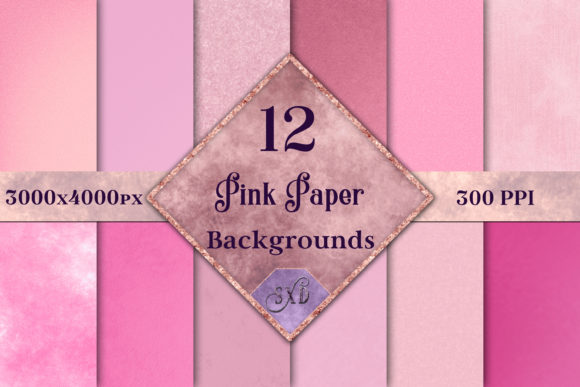
Before diving into application, it helps to understand the specific assets included in this package. The set features 12 distinct .JPG images, delivered in a single .ZIP file for convenience. The technical specifications are geared toward professional use: each image measures 3000x4000 pixels at 300PPI. This high resolution is crucial. It means you can zoom in to see the intricate paper fibers, the subtle grain, and the soft creases without losing clarity.
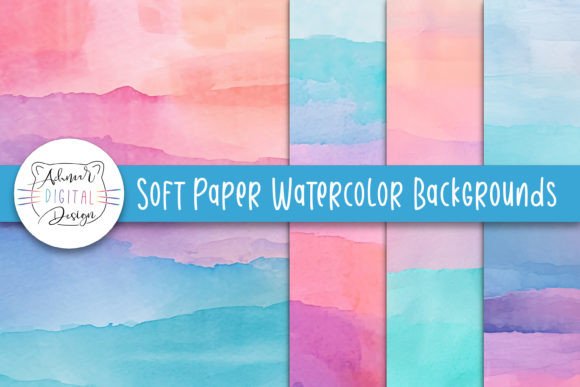
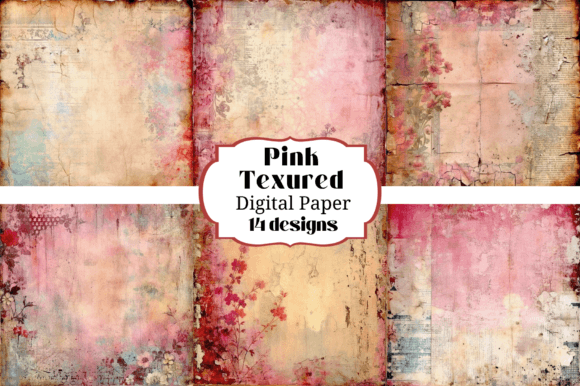
Visually, the collection explores the versatility of the color pink through the lens of paper. You will find variations that range from clean, crisp sheets to more textured, vintage-looking parchment. The "paper effect" is the star here. Unlike flat digital gradients, these backgrounds have a life of their own. They catch imaginary light, casting tiny shadows in their grain. It is worth noting that these images are not seamless. This is a common trait in high-quality texture photography. While it requires a bit of care when tiling, it ensures that the texture looks authentic rather than artificially generated. The personality of this set is soft, approachable, and undeniably feminine, yet capable of standing up to bold, modern typography.
Strategic Applications for Modern Creators
So, where do these Pink Paper Backgrounds actually fit into your workflow? The answer lies in their ability to soften the digital experience. For social media graphics, particularly on platforms like Instagram or Pinterest, a paper texture adds a layer of authenticity. Instead of a stark white background for a quote card, using a soft, blush-toned paper makes the text feel like it was printed on a physical invitation. This resonates well with audiences in the lifestyle, beauty, wedding, and stationery niches.
In branding and logo design, texture is often used to establish a mood. If your brand identity leans toward the organic, handcrafted, or boutique style, these backgrounds are invaluable. Imagine a logo mockup presented on a textured pink surface rather than a plain grey one; it immediately tells a story of care and attention to detail. For web design, while full-page backgrounds can be heavy, using these textures for hero sections, sidebar accents, or footer designs can break the monotony of flat design trends.
Furthermore, publishers and content creators can use these assets to create "hero images" for blog posts. If you are writing about self-care, journaling, or creative processes, a photo of your subject matter on top of one of these pink paper textures creates a cohesive, thematic header image. Even in packaging design, these high-resolution images can serve as mockup bases to show clients how a label or sticker might look on a physical product before it goes to print.
Designing with Depth: Readability and Hierarchy
Using a textured background requires a slightly different approach than using a solid color. The primary concern is always readability. Because the Pink Paper Backgrounds feature visible grain and paper details, you cannot simply slap small text on top of it. To maintain a professional standard, you need to leverage visual hierarchy.
There are a few practical ways to ensure your text remains legible. First, consider the font pairing. A textured background pairs beautifully with a bold sans-serif font or a heavy serif typeface. The weight of the letters creates enough contrast to stand out against the soft, uneven surface of the paper. Conversely, a delicate script font might get lost in the noise unless it is used sparingly for large headlines.
Second, use overlays. Placing a semi-transparent white or cream shape (like a rounded rectangle) behind your text can create a "safe zone." This isolates the text from the texture just enough to ensure clarity while keeping the aesthetic of the paper visible around the edges. This technique is particularly effective in editorial design and web design, where text density is high.
Practical Guidance for Project Fit
Choosing to use the Pink Paper Backgrounds - 12 Image Set depends on the emotional response you want to evoke. Pink is psychologically associated with compassion, nurturing, and love. When combined with the texture of paper, it suggests nostalgia, handwritten notes, and personal connection. This makes the set a poor fit for heavy industrial or corporate tech branding, but a perfect match for wellness, cosmetics, fashion, and creative arts.
When evaluating the fit for your specific project, follow this checklist:
- Test the Zoom: Since the details are clearest when zoomed in, test how the texture looks at your intended output size. For a small Instagram post, the texture might appear as a soft gradient. For a printed flyer, the fibers will be visible.
- Evaluate Color Contrast: Use a contrast checker tool. Ensure your chosen text color (black, dark grey, or even a deep plum) passes accessibility standards against the specific shade of pink in the image you select.
- Consider Commercial Licensing: Always verify the license. For standard commercial use—such as client work, social media ads, or merchandise—ensure the license covers your distribution method.
Elevating Your Visuals
The Pink Paper Backgrounds set is more than just a decorative element; it is a design asset that bridges the gap between the digital and physical worlds. In an era where audiences crave authenticity, showing a bit of "grit" or texture in your designs can significantly increase engagement. It prevents your content from looking like it was mass-produced by a generic template engine.
By treating these backgrounds as the canvas for your modern typography and brand identity work, you open up new avenues for creativity. Whether you are mocking up a packaging design, creating a mood board, or designing a premium font