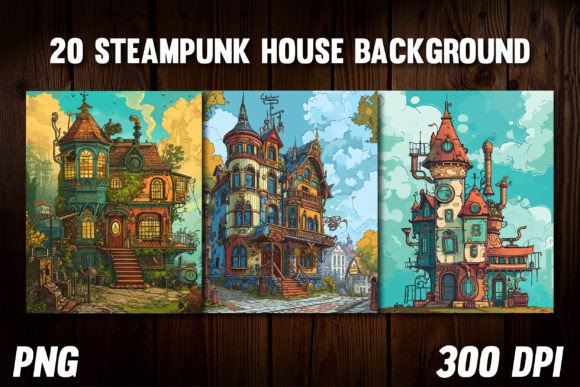
Steampunk House Backgrounds for Covers 2: A Designer's Blueprint
More Than Just a Background: A World-Building Asset
When you’re tasked with creating a cover that doesn’t just catch the eye but pulls the reader into a different reality, you quickly realize that a simple color gradient or texture won't cut it. You need a world. This is the core principle behind a resource like Steampunk House Backgrounds for Covers 2. It's not merely a collection of images; it's a toolkit for building atmosphere. Think of it less as a static backdrop and more as the foundational layer of your narrative, instantly communicating a specific genre, mood, and level of detail before a single word of your title is even read.
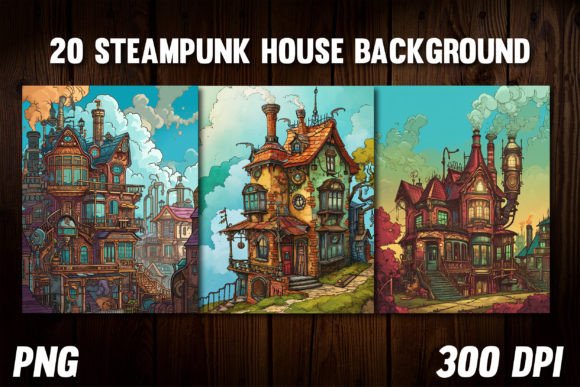
The visual personality of this collection is deeply rooted in a specific aesthetic. We're talking about the tangible feel of brass, the intricate logic of exposed clockwork, and the elegant, robust lines of Victorian architecture reimagined with industrial-age machinery. These aren't generic gear-and-cog patterns slapped onto a sky. They are composed scenes—think of a towering townhouse with copper pipes snaking up its facade, or a workshop interior where light filters through a grimy skylight onto a workbench filled with half-finished automatons. The appeal lies in this specificity. It provides a complete setting, saving you the immense effort of having to construct that world from scratch in your own designs.
Practical Applications: Where Gears and Brass Truly Shine
The true strength of a design asset is measured by its versatility. Steampunk House Backgrounds for Covers 2 proves its worth across a surprisingly wide range of projects. For authors and publishers in the Amazon KDP space, this is a game-changer. A compelling cover is your most important sales tool, and these backgrounds provide an immediate sense of genre and quality. Drop one behind your title and author name, and you've instantly set the stage for a science fiction, fantasy, or alternative history story. The same principle applies to the interior; using a more subtle, tiled version of a gear pattern as a chapter header or page border can create a cohesive and professional reading experience.
Beyond book publishing, the applications are just as potent. Consider the world of branding for niche businesses. A craft brewery specializing in artisanal beers, a bespoke tailor, or a maker of leather goods could use these backgrounds in their web design and social media graphics to build a brand identity that feels authentic, handcrafted, and rich with history. For content creators and bloggers, these images are perfect for creating a distinct visual language. A blog post about vintage technology, a YouTube thumbnail for a video on historical engineering, or an Instagram story about a visit to a museum can all be elevated from standard to standout.
Even in more personal projects, the value is clear. Scrapbookers and crafters can use the printable digital download feature to create unique layouts for memories that have a slightly adventurous or historical feel. The high-resolution files ensure that whether you're printing a small card or a large poster, the intricate details—the tiny rivets, the fine lines of the etchings—remain crisp and clear, a hallmark of a truly premium font... or in this case, a premium background.
Integrating These Backgrounds into Your Design Workflow
Simply having a great asset isn't enough; knowing how to use it effectively is what separates good design from great design. The first step is evaluating fit. Not every project calls for this level of thematic detail. These backgrounds are powerful, and using them for a minimalist tech startup's website would be a mismatch. They are best suited for projects where storytelling, craftsmanship, and a touch of the fantastical are central to the message.
Once you've confirmed the fit, think about integration. A common mistake is to let a detailed background overpower the foreground content. The goal is for the background to support, not shout. Use techniques like adding a semi-transparent color overlay (a dark sepia or a muted teal works beautifully with the brass tones) to push the background into a supporting role. This creates a clear visual hierarchy, ensuring your headline—whether it's a book title, a sale announcement, or a blog post headline—is the star of the show. The background provides the texture and mood, while your typography and primary message deliver the information.
This leads to the crucial element of font pairing. The inherent style of the Steampunk House Backgrounds for Covers 2 demands a thoughtful choice of typeface. A clean, modern sans serif font can create a striking contrast, blending old-world aesthetics with contemporary clarity. Alternatively, leaning into the theme with a sturdy serif font or a tasteful, legible script font can amplify the vintage feel. The key is to test your pairings directly on the background. How does the letter spacing look? Is the font weight strong enough to remain readable against the intricate details of the gears and architecture? Always prioritize legibility. A beautiful design is useless if the audience can't read the message.
Finally, always be mindful of licensing for commercial use. Most reputable design asset providers, including those offering this type of collection, provide clear terms. Ensure the license covers your intended use, whether it's for a single book cover, a series of prints for sale, or branding for a client's business. This due diligence is a professional standard that protects both you and the original creator.
Elevating Your Creative Narrative
In a digital landscape saturated with generic stock imagery, investing in a specialized and high-quality design asset like Steampunk House Backgrounds for Covers 2 is a strategic decision. It’s an acknowledgment that your project's visual presentation is inseparable from its story. By choosing a background that is rich in narrative detail, you’re not just decorating a page or a screen; you are building a bridge to your audience, inviting them into a world you’ve carefully curated. It’s a practical, powerful way to add depth, professionalism, and a memorable sense of identity to any creative endeavor.