Teal and Gold Leaf Backgrounds: Luxury Design Assets
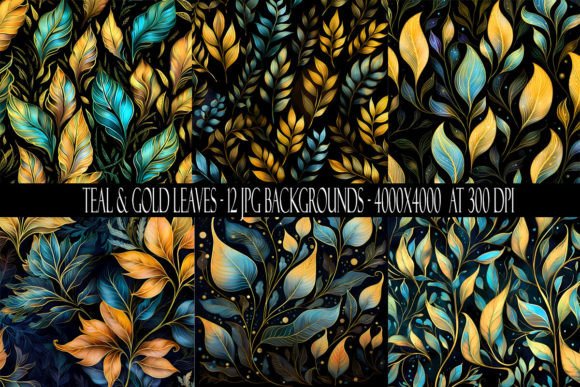
There is a specific psychological weight that comes with combining teal and gold. It is a palette that suggests depth, wisdom, and opulence all at once. When you introduce the organic irregularity of gold leaf into that mix, the result is a texture that feels both ancient and contemporary. This collection of Teal and Gold Leaf Backgrounds captures that exact intersection of luxury and nature. It is not just a set of colors; it is a visual language that speaks to high-end branding, sophisticated stationery, and digital artistry. For the creative professional, having a library of 12 distinct JPG files at 4000 x 4000 pixels and 300 dpi resolution provides a substantial foundation for a variety of projects, ensuring that the final output is crisp whether it appears on a retina screen or a printed canvas.
The Psychology of the Palette
Understanding why this specific combination works is key to using it effectively. Teal is often associated with clarity of thought, open communication, and rejuvenation. It is a stabilizing color that grounds the viewer. Gold, conversely, is the universal symbol for quality, prestige, and success. When you overlay the erratic, beautiful texture of gold leaf onto a teal field, you disrupt the sterility of digital perfection with something that feels handcrafted. This is crucial for modern brand identity work. In an era where consumers crave authenticity, a background that mimics the imperfections of physical art materials can make a brand feel more human and less corporate. These backgrounds are designed to evoke an emotional response before the viewer even reads a single word of your copy.
Technical Specifications for Professional Output
For designers and print-on-demand entrepreneurs, the technical specs of an asset are just as important as its aesthetics. This collection is provided in a Non Seamless Format, which is a deliberate design choice. Unlike repeating tiles that can sometimes look robotic or overly uniform, these 12 digital papers are standalone compositions. This means they have a distinct flow and focal point, allowing for more dynamic layouts in editorial design or packaging design.
The resolution of 4000 x 4000 pixels at 300 dpi is the industry standard for high-quality printing. This size is versatile enough to cover a full 12x12 inch scrapbook page, a large format poster, or a high-resolution hero image for a website header without pixelation. Furthermore, the licensing model is built for the modern creator. With commercial and print-on-demand licensing included, you can integrate these textures into products you sell—such as greeting cards, phone cases, or book covers—without navigating complex legal hurdles. The fact that the watermark is removed upon download ensures that your design process is uninterrupted and your final proofs are clean.
Strategic Applications Across Industries
The versatility of this collection extends far beyond simple decoration. Here is how different sectors can leverage these assets:
- Logo Design and Brand Identity: For luxury consultants, real estate agents, or high-end boutiques, using a textured background behind a logo can add immediate weight to a brand. A sans serif font in white or cream over a teal and gold leaf texture creates a striking contrast that communicates modern elegance.
- Social Media Graphics: Algorithms favor engagement, and visual distinctiveness drives clicks. These backgrounds are perfect for quote cards, announcement templates, or Instagram story covers. The richness of the gold leaf catches the eye while scrolling, acting as a visual stop-sign that increases dwell time.
- Publishing and Editorial Design: Authors and publishers can use these backgrounds for book covers, particularly in the fantasy, romance, or business leadership genres. The texture implies a story worth reading before the title is even processed.
- Digital Products and Web Design: Web designers can use these as subtle section dividers or hero backgrounds for landing pages. Because they are high-resolution, they can be cropped significantly to highlight specific areas of the texture without losing quality.
Mastering Visual Hierarchy and Readability
Using a bold background like Teal and Gold Leaf requires a strategic approach to typography to maintain readability. Because the gold leaf introduces high-contrast, organic shapes, placing text directly over the busiest parts of the texture can cause visual vibration, making it hard to read. To solve this, consider using a semi-transparent overlay or a text box with a slight drop shadow. This technique separates the typography from the texture, ensuring your message remains the hero.
When it comes to font pairing, the goal is to complement the background's personality without competing with it. Avoid overly ornate script fonts or handwritten fonts that might get lost in the leaf's texture. Instead, opt for clean, structural typefaces. A bold serif font works beautifully for headers, offering a classic feel that matches the gold's prestige. For body copy, a geometric sans serif font provides the necessary legibility and creates a modern contrast against the organic background. This balance ensures your design feels professional and easy to navigate.
Practical Guidance for Implementation
When integrating these assets into your workflow, treat them as premium design assets rather than just "backgrounds." Because they are JPGs, they are universally compatible with Adobe Photoshop, Illustrator, Canva, Procreate, and Affinity Designer.
- Evaluate the Composition: Look at the "flow" of the gold leaf in each of the 12 files. Some may have the gold concentrated in the corners, which is ideal for framing text. Others might be more centered, working well for watermarking or subtle texture.
- Color Grading: While the collection provides the base teal and gold, don't be afraid to adjust the hue or saturation in post-production to match a specific brand color guide. A slight shift toward emerald or mint can completely change the mood.
- Testing for Print: If you are using these for print on demand, always order a physical proof. Digital screens emit light, making gold look bright, whereas print absorbs light. Checking the physical product ensures the gold leaf retains its shimmer and the teal remains deep and rich on paper or fabric.
Ultimately, this collection offers a practical solution for creators who need to project sophistication quickly. It bridges the gap between digital convenience and the tactile feel of physical art, giving your projects a polished, high-value finish that resonates with discerning audiences.