Watercolor Fabric Texture Backgrounds for Creative Projects
There's a distinct warmth that comes from combining the tactile feel of fabric with the fluid, artistic wash of watercolor. It’s a pairing that feels both nostalgic and fresh, offering a backdrop that's rich with character. For designers and creators, capturing that specific aesthetic digitally has often been a challenge—until now. High-quality digital assets like Watercolor Fabric Texture Backgrounds bridge the gap, providing that organic, handmade look with the precision and scalability needed for modern projects. These aren't just generic filters; they are carefully crafted design assets that bring a unique personality to any canvas.
The Visual Personality and Appeal
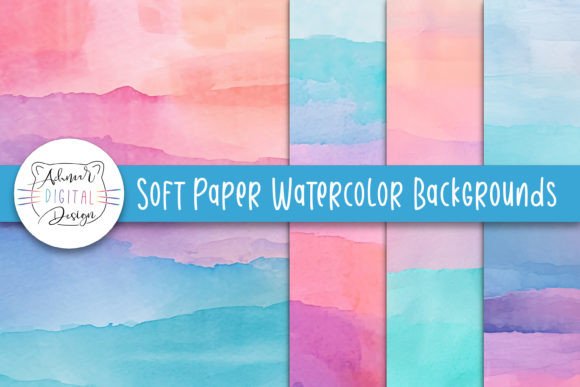
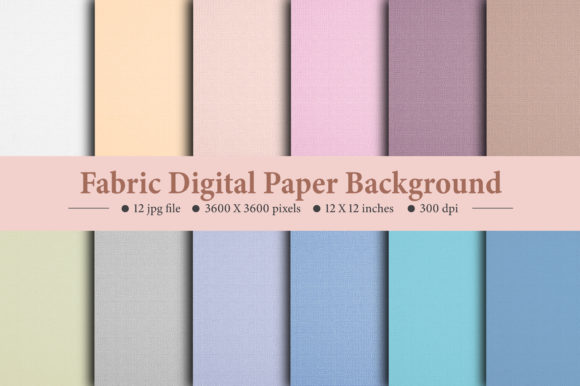
What makes these backgrounds so effective? It’s the layered visual interest. You get the subtle, woven grain of a textile, which introduces a sense of depth and tactile realism. On top of that, you have the soft, bleeding edges and pigment pools characteristic of watercolor. This combination avoids the flat, sterile look of a solid digital color. Instead, it offers a nuanced surface that feels authentic and artisanal. The included set provides 12 distinct variations, each at a generous 3600 x 3600 pixels and 300 dpi in RGB mode. This specification is critical. It means these backgrounds are premium font—or rather, premium asset—quality, suitable for everything from large-format printing to detailed digital mockups without losing clarity.
Where This Style Truly Shines
The versatility of a watercolor fabric texture is one of its greatest strengths. Its personality leans toward the organic, artistic, and slightly rustic, making it a powerful tool in specific contexts.
- Branding and Packaging Design: For brands that want to convey authenticity, craftsmanship, or a connection to handmade goods, these textures are invaluable. Use them as a backdrop for product photography, as a subtle fill for logo design elements, or as the primary material for packaging design for artisanal foods, cosmetics, or stationery. They instantly build a brand identity that feels warm and approachable.
- Publishing and Editorial Work: In editorial design, these textures can set the mood for a feature article, a book cover, or a magazine layout. They work exceptionally well for topics related to DIY, gardening, cooking, or lifestyle. The texture adds visual hierarchy without competing with typography, especially when paired with clean sans serif font choices.
- Digital Presence and Social Media: On web design elements and social media graphics, the texture breaks the monotony of flat digital interfaces. It can be used as a website header background, a podcast cover, or an Instagram story template. The key is using it as a supporting element that adds depth, ensuring text remains highly readable against it.
- Crafts and Personal Projects: For scrapbooking, card making, and DIY projects, these digital papers are a game-changer. They provide a perfect digital paper for printing and cutting, offering a consistent, high-quality result that’s hard to achieve by hand alone.
Integrating Texture with Type
A common pitfall is treating a rich background as an afterthought. The real skill lies in making it work with your other design elements, particularly typography. The visual "noise" of a fabric texture requires careful consideration of readability.
For body text, always prioritize clarity. A strong, well-spaced sans serif font or a clean, modern serif font often works best. Avoid overly thin or decorative script font styles for paragraphs, as they can get lost. Instead, reserve a handwritten font or a display font for headlines where you want to echo the artistic quality of the texture. This creates a clear font pairing strategy: the expressive texture and headline font create mood, while the body font ensures your message is delivered.
A Practical Guide to Selection and Use
When choosing a set like this, think beyond just the aesthetic. Consider the practical workflow.
- Evaluate the File Specifications: The provided details—12 JPG files, 12x12 inches at 300 dpi—are industry-standard for commercial font and asset use. This ensures they are print-ready and scalable for most projects. Always check that the color mode (RGB) matches your primary output; for print, you may need to convert to CMYK.
- Test for Your Specific Use Case: Before committing to a final design, do a quick mock-up. Place your logo, a sample headline, and a block of body text over the texture. Does the text stand out? Is the overall effect harmonious or chaotic? This step is non-negotiable for professional work.
- Understand the Licensing: Reputable assets come with clear licensing. For these backgrounds, the license typically allows for both personal and commercial use in end products, but it's crucial to verify if there are restrictions on reselling the texture itself as part of a competing asset pack. This is part of respecting modern typography and asset ethics.
- Layer and Modify: Don't use the texture as-is if it doesn't quite fit. In software like Photoshop or Illustrator, you can adjust the opacity, overlay it with a slight color wash, or use blending modes like "Multiply" or "Soft Light" to integrate it more seamlessly with your creative font choices and other graphic elements.
The true value of a creative font or texture lies in its ability to solve a visual problem. Watercolor fabric texture backgrounds solve the problem of adding authentic, artisanal character in a controlled, digital-friendly way. They are a strategic tool for anyone looking to elevate their visual communication, from a small business owner crafting their first brand identity to a seasoned designer developing a comprehensive packaging design system. By understanding their personality and applying them thoughtfully, you can create work that resonates on a more human, tactile level.